
Women’s intramurals and club sports were already part of FSU’s culture by the time intercollegiate athletics came into the national spotlight in the early 1970s. An organized women’s basketball team was formed as early as 1970, with graduate assistants serving as head coaches. Title IX, which paved the way for women’s intercollegiate sports, was signed into law in 1972, and by 1973 FSU welcomed its women’s program into the school’s Department of Intercollegiate Athletics.
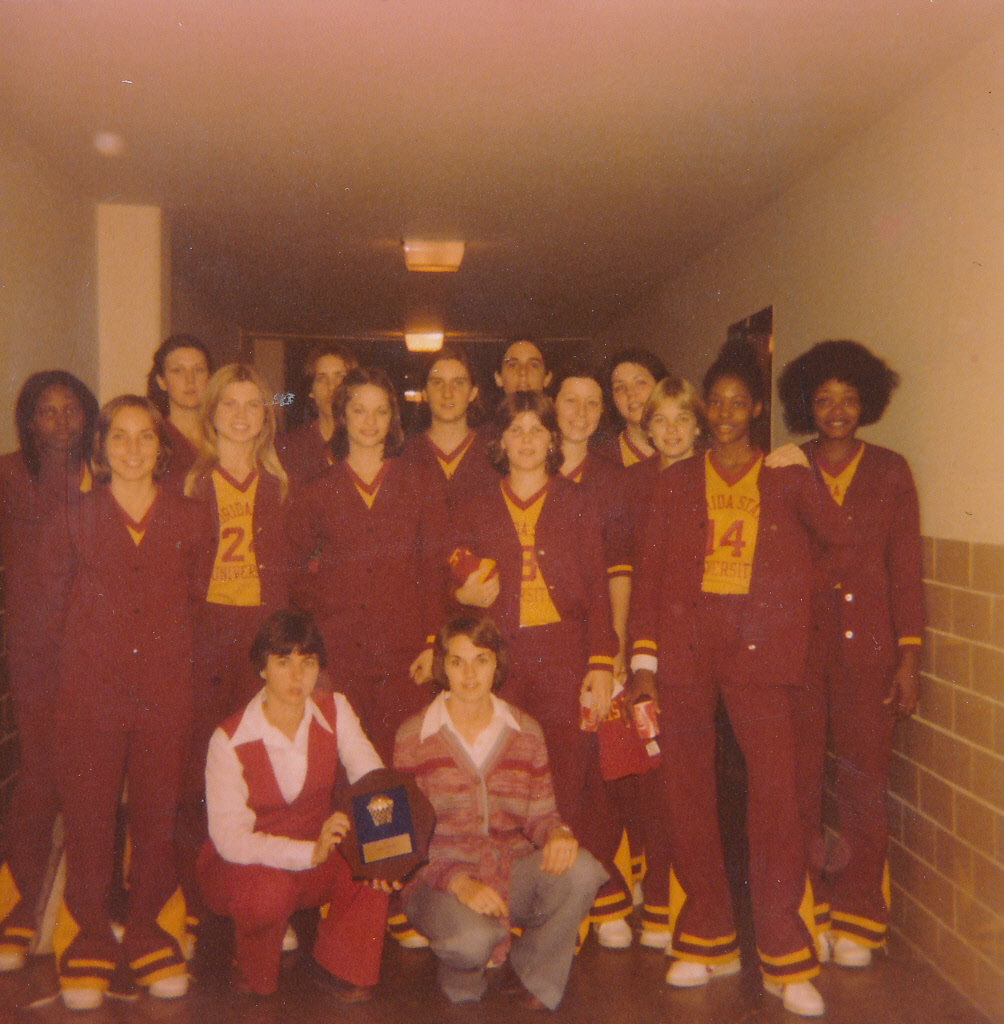
FSU’s first intercollegiate women’s basketball team played in the 1973 season. They finished with an 11-5 record under Eddie Cubbon, a longtime Seminole intramurals coach and advocate for women’s athletics on campus. Emma Colquitt, who had been on the squad since at least 1971, was the first Black player in program history. Though the season was short and limited to opponents in the region, it marked the beginning of the program’s legitimacy.
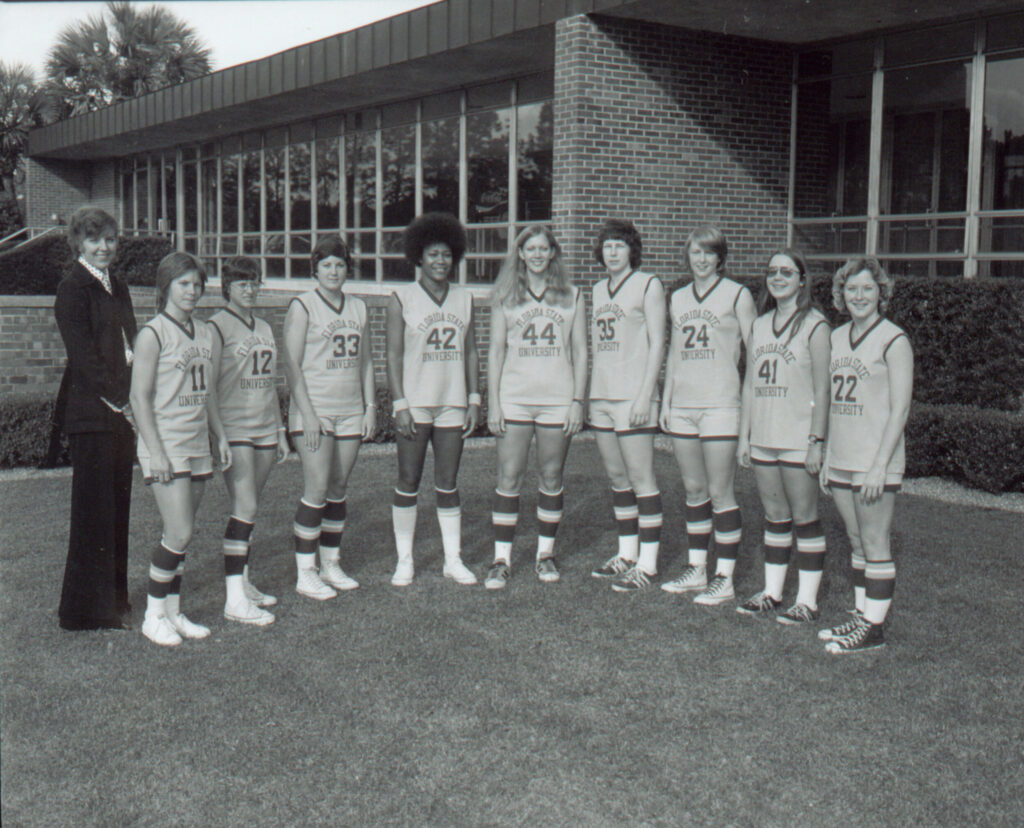
This image shows coach Millie Usher and the 1974–75 team.
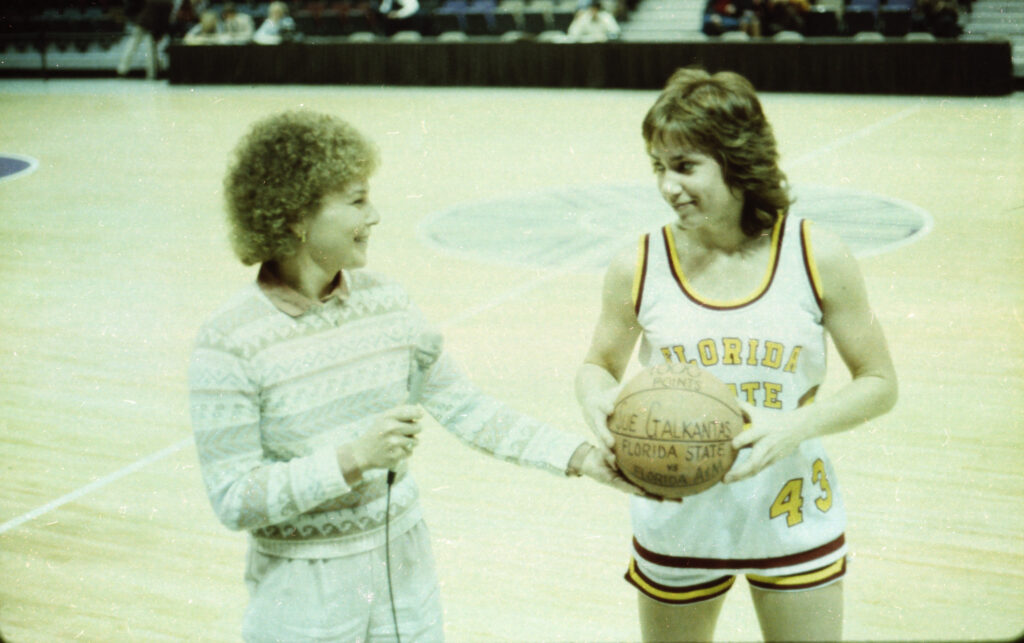
F Sue Galkantas wore Garnet and Gold from 1980 to 1984, becoming one of the greatest players in program history. She led the team in points in each of her four seasons, setting a program record with a 21.6 average in her freshman campaign. In all, Galkantas compiled 2,323 career points — more than any men’s or women’s player in FSU basketball history.
The 1990–91 season marked FSU’s final campaign in the Metro Conference, and the Seminoles left on a high note. They finished as Metro regular season champions (shared with South Carolina) for the first time in program history, then defeated South Carolina in the Metro Tournament for the first ever conference tourney victory. Backed by G Wanda Burns, F Tia Paschel and F Chantelle Dishman, FSU stormed into the NCAA Tournament and defeated Appalachian State in the first round for the first NCAA Tournament win in program history.
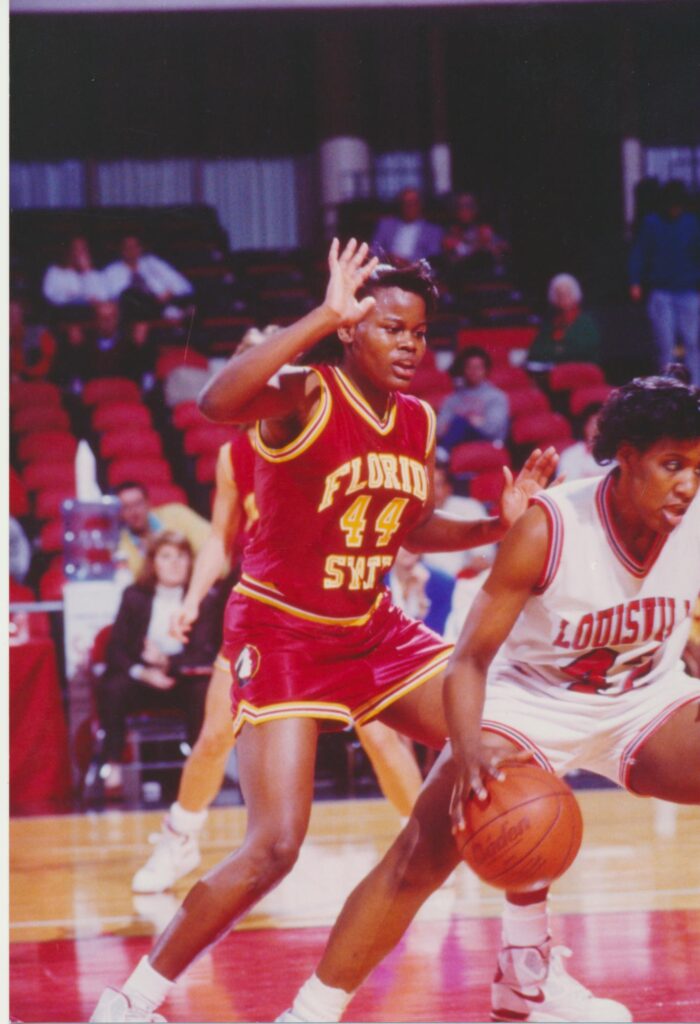
FSU joined the ACC in the 1991–92 season after a decade with the Metro Conference. The move elevated FSU’s level of competition in a conference known for its basketball prowess. Since then, the Seminoles have established themselves as a contender and won several major awards, including four ACC Coaches of the Year, four ACC Sixth Players of the Year and one ACC Player of the Year, among others.
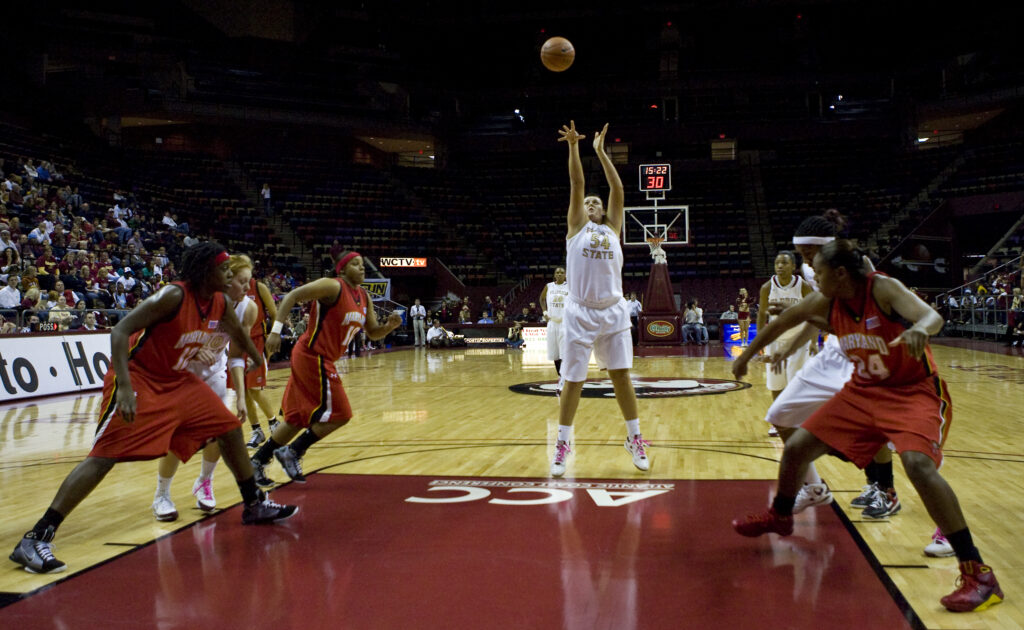
The Sue Semrau era began in 1997, fostering the most successful period in team history. Semrau guided a struggling program that failed to reach double-digit wins into one of the ACC’s biggest threats. The Seminoles enjoyed 14 20-win seasons, 16 NCAA Tournament appearances, two WNIT appearances and 470 victories in Semrau’s 24 seasons on the bench. At the end of her career, Semrau was one of the most accomplished coaches in all of FSU athletics.
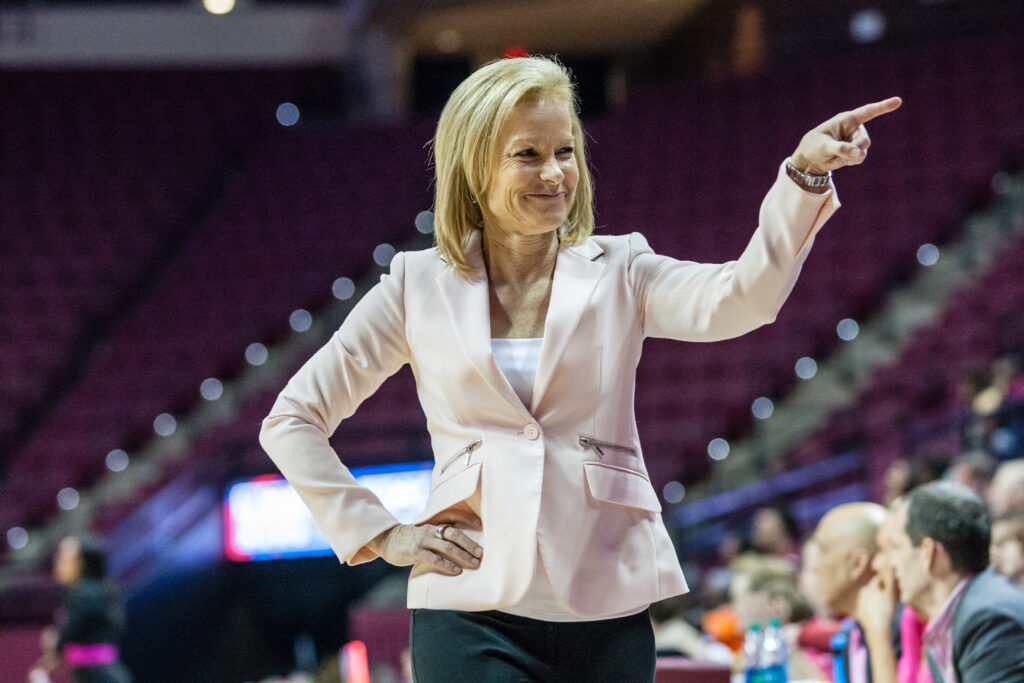
After playing at historic Tully Gym for most of program history, FSU moved into the Donald L. Tucker Civic Center for the 1998–99 season. The women’s basketball team joined the men’s squad, which had occupied the arena since 1981. The Seminoles continue to call the Tucker Center home today.
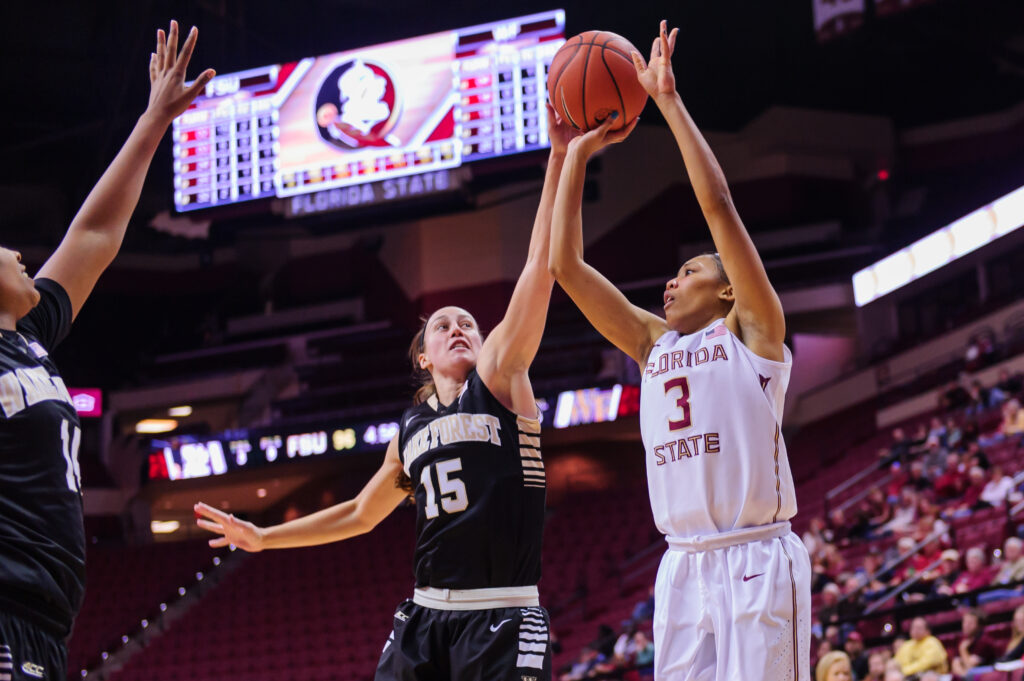
FSU reached the pinnacle of the ACC by winning back-to-back conference regular season championships in 2009 (shared with Maryland) and 2010 (shared with Duke). The Seminoles posted 12-2 records against ACC opponents in both seasons. The pair of ACC regular season championships were the first in program history.
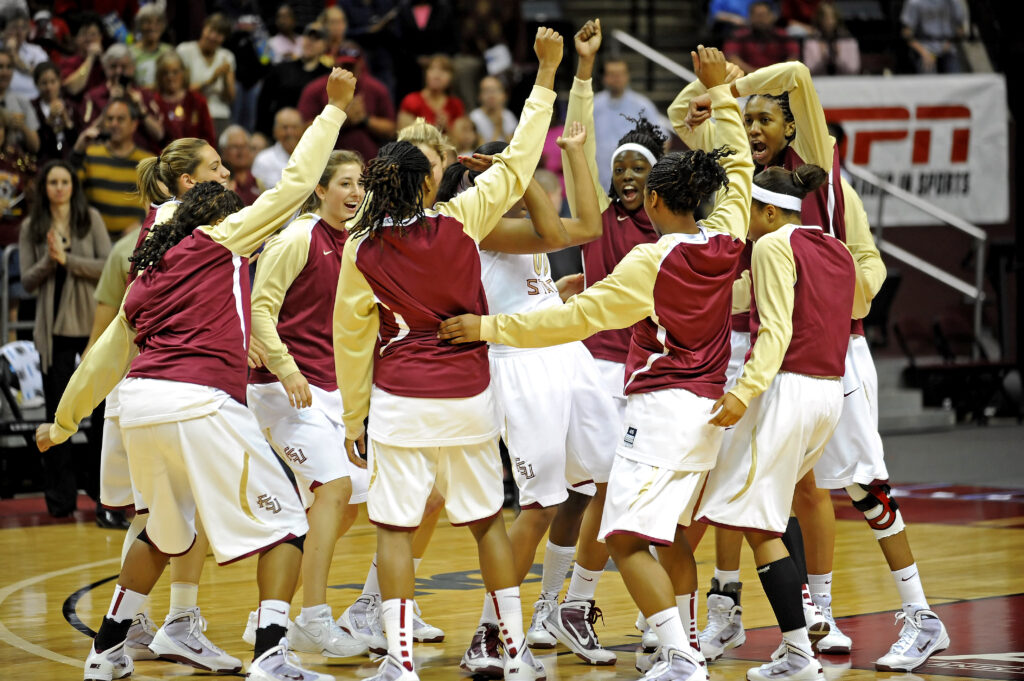
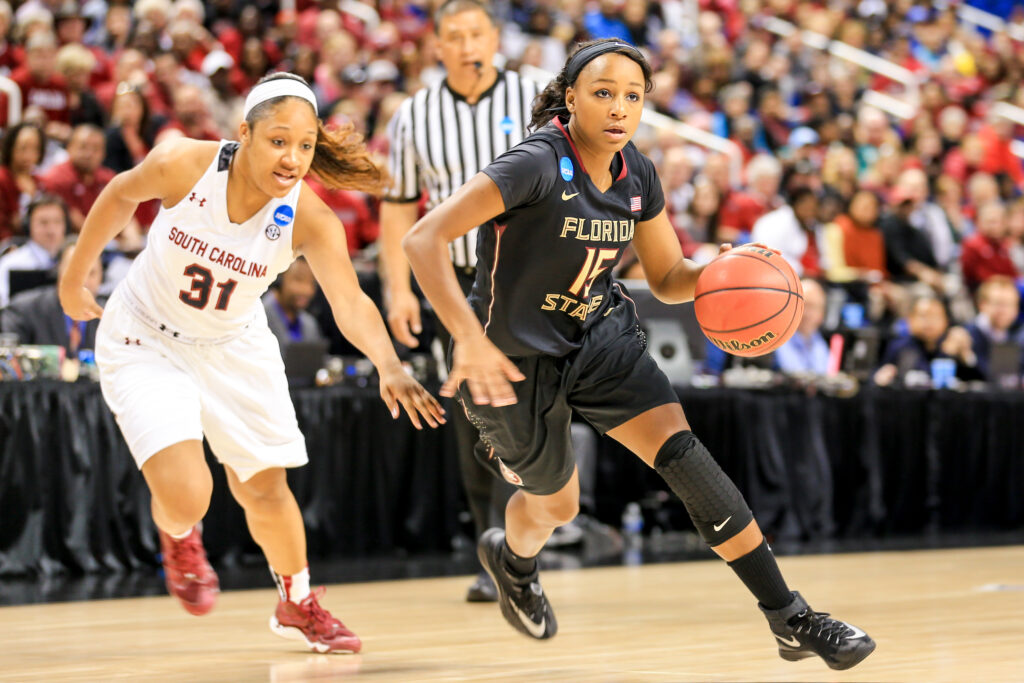
The Seminoles enjoyed their best season to date in 2014–15, hitting the 30-win mark for the first time in program history. Their incredible 32-5 overall record and 14-2 record in ACC play also set team records. Led by F Shakayla Thomas, that season’s ACC Sixth Player of the Year, and FSU’s leading scorer C Adut Bulgak, the Noles advanced to the Elite Eight for just the third time in program history.
FSU Hall of Fame player and longtime assistant Brooke Wyckoff became head coach ahead of the 2022–23 season. Wyckoff followed in her mentor Sue Semrau’s footsteps, leading FSU to 20-win seasons and NCAA Tournament appearances in each of her three seasons at the helm. She continues to lead the Seminoles today.
