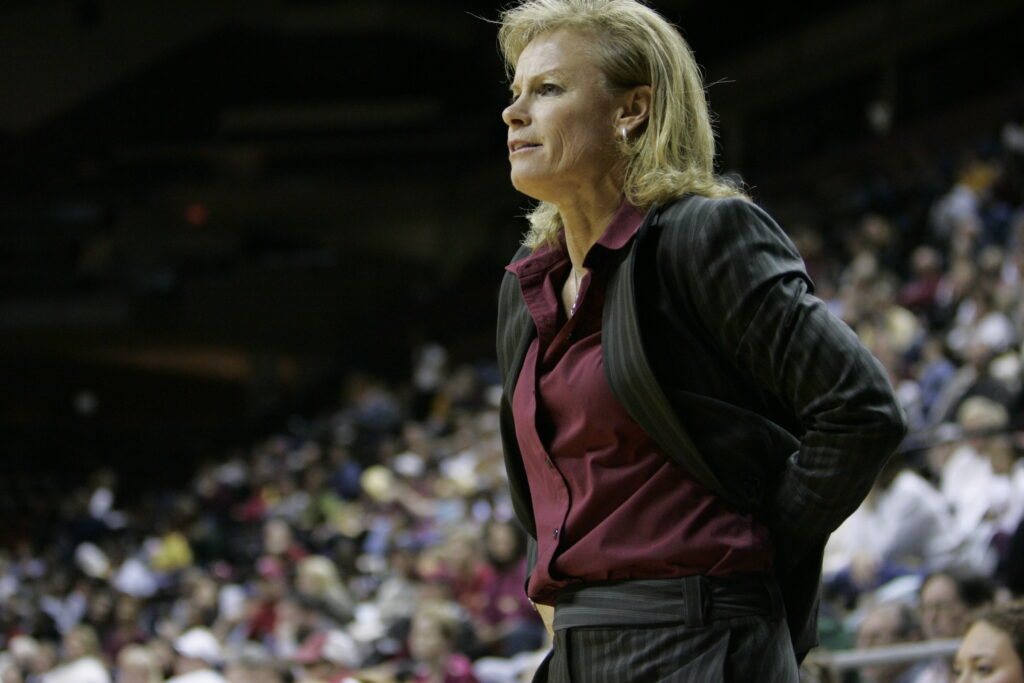
After a stellar playing career at FSU and 10 seasons as a Seminole assistant coach, Brooke Wyckoff was named head coach in March 2022. She had also served as Sue Semrau’s interim head coach in the 2020–21 season. Wyckoff led FSU to 20-win seasons and NCAA Tournament appearances in each of her three seasons as head coach. Her 2024–25 squad led the nation with 86.9 points per game and set a new program record with 119 points in a game.

Over 24 seasons in Tallahassee, Sue Semrau became the winningest coach in program history. Semrau led the Seminoles to a 470-271 record and 14 20-win campaigns, including eight straight from 2012–13 to 2019–20. FSU made 16 NCAA Tournaments — including the first three Elite Eight appearances in program history — under her leadership. She also guided FSU to their first ACC regular season co-championships in 2009 and 2010. A coach well respected across the conference and nation, Semrau was a four-time ACC Coach of the Year and named Coach of the Year by the AP, WBCA and ESPNW all in 2015, when she led FSU to a program best 32-5 record. At the time of her retirement in 2022, Semrau was the longest active head coach of all Florida State athletics.
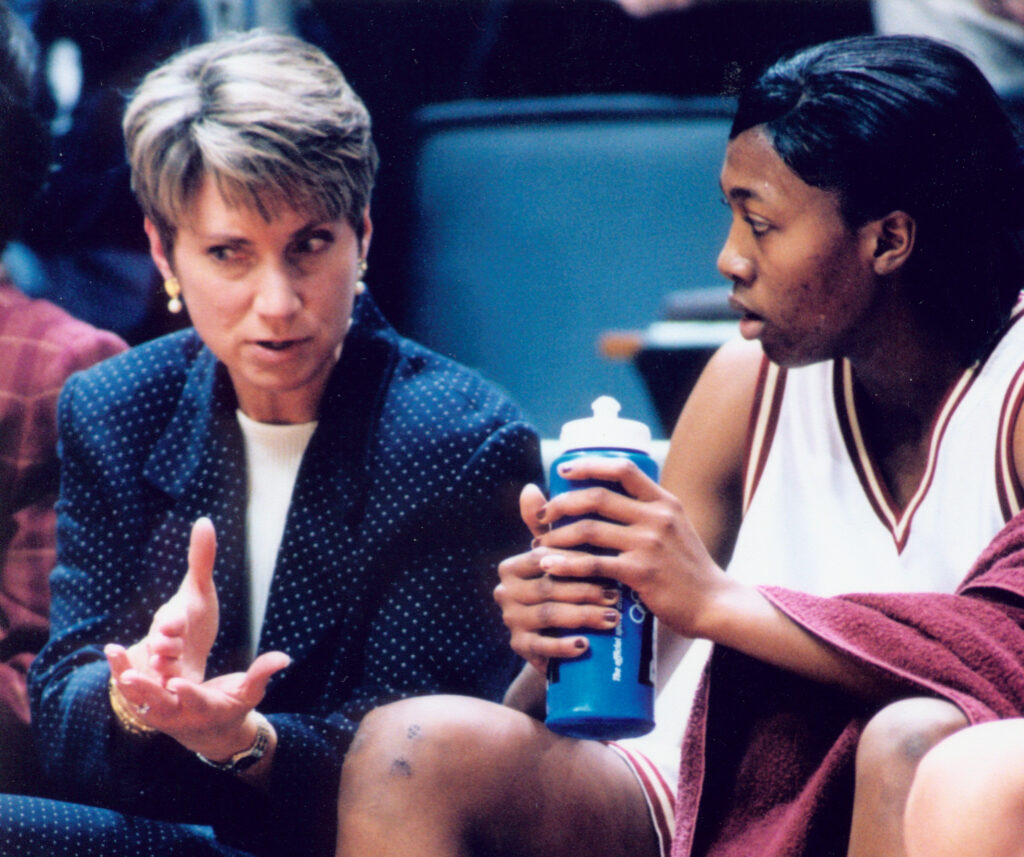
Former Washington coach Chris Gobrecht spent just one season as head coach of FSU. The Seminoles went 5-22 and winless in ACC play in her lone campaign.
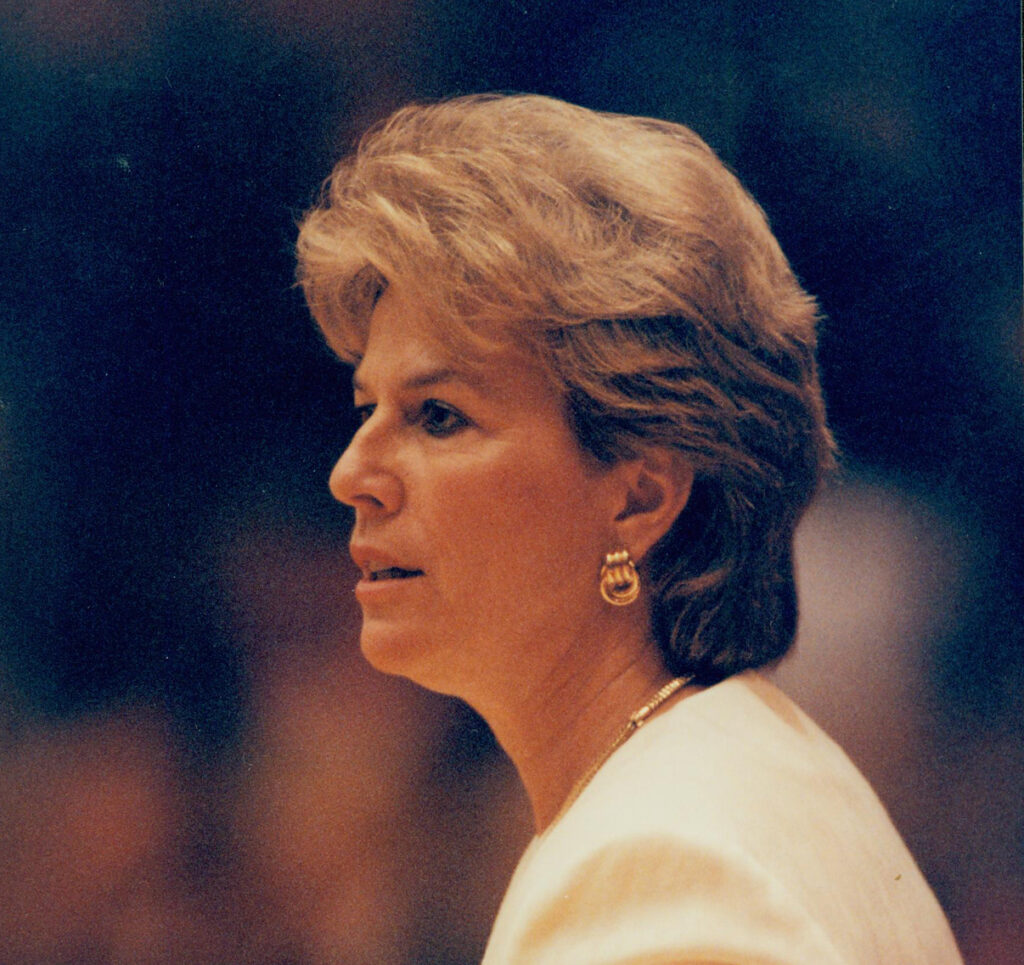
Named head coach in April 1986, Marynell Meadors guided the Seminoles to their greatest success as members of the Metro Conference. She led FSU to three winning seasons against Metro opponents, as well as two 20-win campaigns and two appearances in NCAA Tournament. The first-round victory over Appalachian State in 1991 marked the first NCAA Tournament victory in program history. For her efforts, Meadors was named Metro Conference Coach of the Year in 1990 and 1991. In 1990–91, FSU’s final season in the conference, the Noles were crowned Metro regular season champions (shared with South Carolina) and Metro Tournament champions — both firsts in program history. Meadors also oversaw FSU’s first five seasons in the ACC. She compiled a 132-152 record over 10 seasons at the helm.
Jan Dykehouse-Allen became head coach in May 1979, a time when the program began to formalize with its entrance into the Metro Conference in 1980. Under her tenure, the Seminoles recorded their first two 20-win seasons in 1981–82 and 1982–83, as well as the first NCAA Tournament appearance in program history in 1983. FSU’s 28 wins in 1981–82 set a program record that stood until 2015. Dykehouse-Allen compiled an 111-108 record over seven seasons, becoming the first coach to reach the 100-win mark.
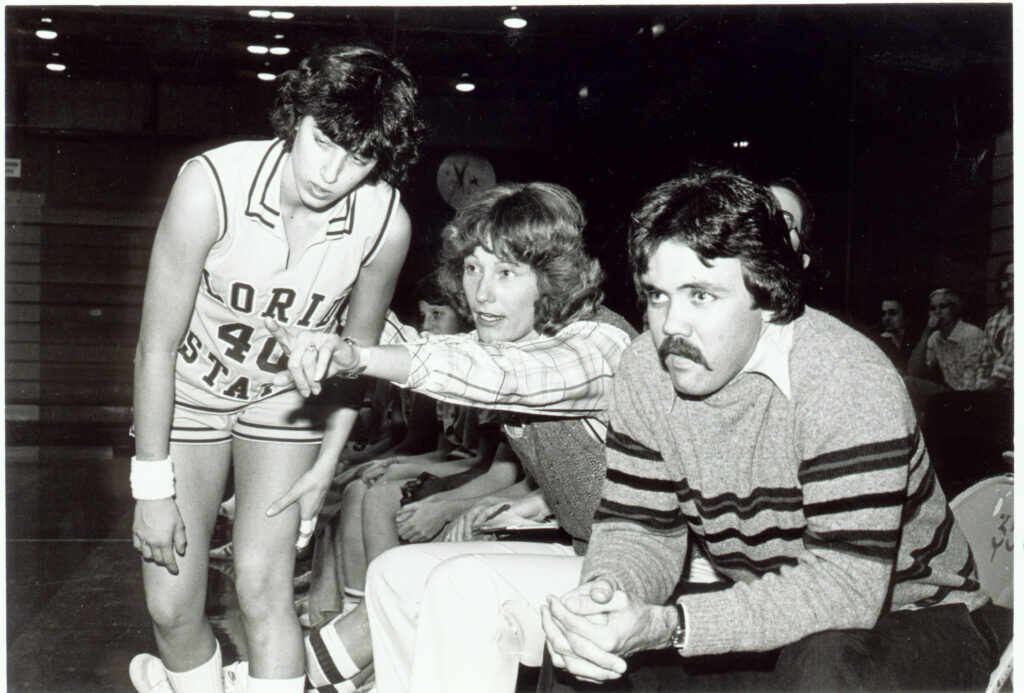
A doctoral student in administration and curriculum, Diane Murphy became head coach ahead of the 1976–77 season. She compiled a 45-39 record over three campaigns. Murphy also guided the Seminoles in three Florida Association of Intercollegiate Athletics for Women (FAIAW) Tournaments, winning the state title in 1979, along with three regional appearances in AIAW Tournaments.
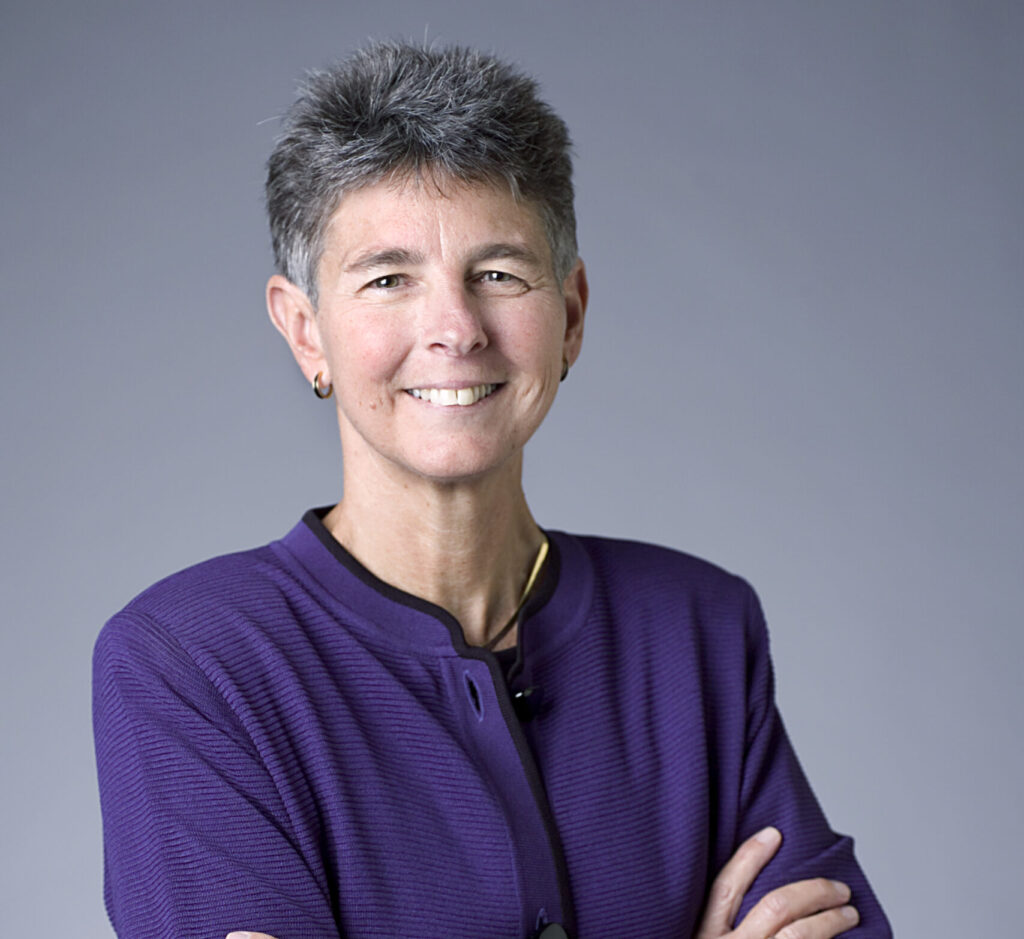
Graduate assistant Millie Usher led the Seminoles to a 30-30 record over two seasons. She later earned her doctorate in education in 1980, writing her dissertation about the history of women’s athletics at FSU.
*The 1975 season took place from January to March.
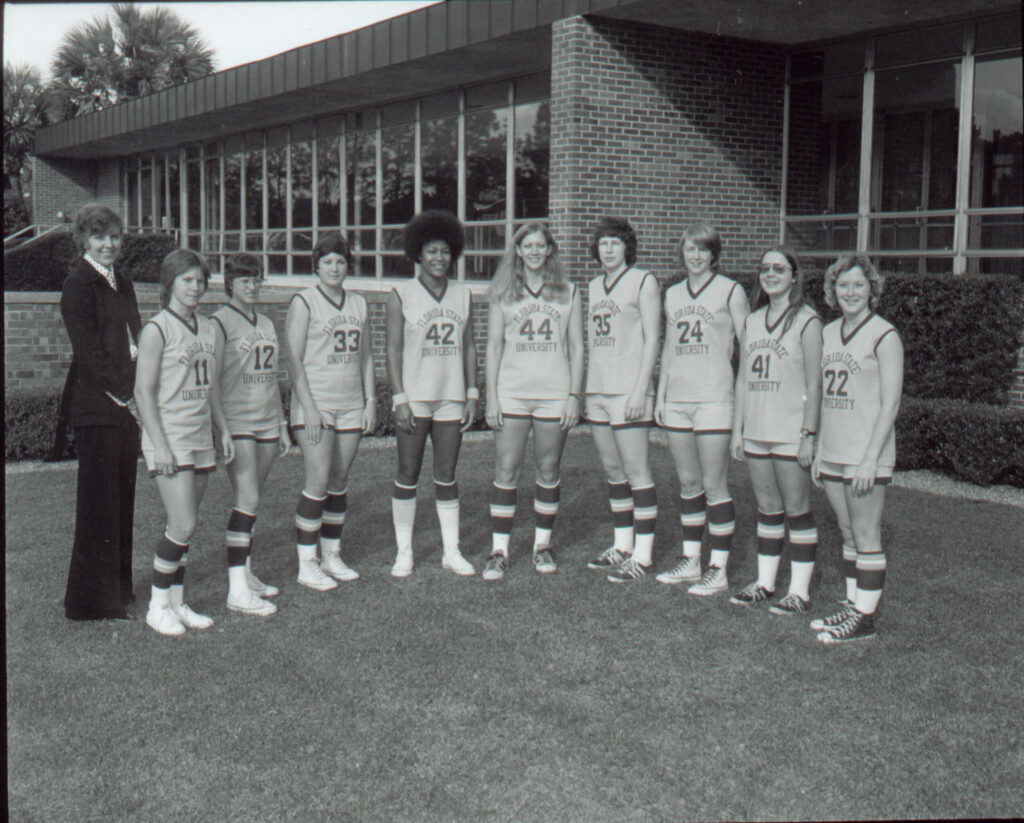
Joel Thirer was head coach for just one season, guiding the Seminoles to a 10-6 record. Thirer earned a doctorate from FSU and went on to become a noted sports psychologist.
*The 1974 season took place from January to March.
Eddie Cubbon became the first head coach in program history ahead of the 1973 season, just one year Title IX became law. Cubbon led the Noles to an 11-5 record in their inaugural season. He had also served as coach of the men’s varsity tennis team and head of the men’s intramural sports program.
*The 1973 season took place from January to March.